
What Do You Need to Get Prequalified for a Home Loan? The 3 Cs, Explained
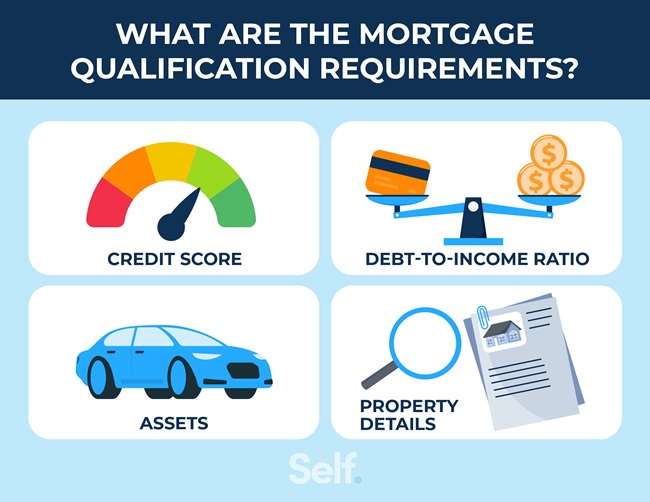
Knowing how to get prequalified for a home loan really comes down to three things: can you repay the loan, do you have the money to get in the door, and your credit.
I’m Manny Solana, and I’ve been doing this for California homeowners for more than 25 years. Most people think qualifying is harder than it is. It isn’t. Here’s what a lender is actually looking at.
What is capacity, and what documents prove it?
Capacity is your ability to repay. It’s the first thing a lender checks and usually the easiest to show.
If you earn a salary, it’s simple. Two recent pay stubs and your last two years of W-2s, and for a lot of folks that’s the whole story. Self-employed? We’ll also want your tax returns, since that’s where your real income lives.
The lender uses those to figure your debt-to-income ratio, which just compares your monthly debts to your monthly income (CFPB). You don’t have to run that math. That’s my job. You bring the paperwork.
What counts as collateral?
Collateral is proof of what you’ve got. Your bank statements, your investment and retirement accounts. It shows the lender you can cover the down payment and have a little cushion behind you.
One wording note, because it trips people up. On a lender’s checklist you’ll usually see these called your “assets,” and collateral technically means the home itself since it secures the loan. I use collateral here to mean what’s backing you up, because that’s the part you actually have to gather. Either way, the ask is the same: statements for your accounts, all pages.
Does credit really matter the least?
Here’s the part that surprises people. Of the three, credit matters least for whether you qualify. It’s still important, so don’t misread me. But capacity and collateral largely decide if you’re approved. Credit mostly sets your price. The higher your score, the better the rate and terms you’re offered.
If credit is your weak spot, start with last week’s Monday Minute on credit scores.
How do the three work together?
Think of them as three legs of a stool. A lender weighs all three at once, so strength in one spot can cover a soft spot in another. A bigger down payment can ease a tighter debt-to-income ratio. A strong, steady income can carry a shorter credit history.
That’s why it pays to prequalify early. We look at all three up front and tell you exactly where you stand, so you shop knowing your number instead of guessing.
What’s the first step to get prequalified for a home loan?
Gather the basics and give us a call. For most people that’s two pay stubs, two years of W-2s, tax returns if you’re self-employed, and recent statements for your bank, investment, and retirement accounts. We’ll take it from there.
Prequalifying costs you nothing but a phone call. Reach us at (818) 999-6070 or cahomesolution.com. We’re here for you and give me a call.
Watch this Week’s Monday Minute!
Manny Solana
California Home Solution, Inc.
NMLS #260091 | DRE #01303675
20301 Ventura Blvd, Suite 302
Woodland Hills, CA 91364
818-999-6070 | manny@cahomesolution.com
Helping California homeowners since 2000.
Frequently Asked Questions
What are the three Cs of getting prequalified for a mortgage?
The three Cs are capacity, collateral, and credit. Capacity is your ability to repay, shown with pay stubs, W-2s, and tax returns if you’re self-employed. Collateral is proof of your down payment funds through bank, investment, and retirement statements. Credit is your history and score, which mostly affects the rate and terms you’re offered.
What documents do I need to get prequalified for a home loan?
For most borrowers, your last two pay stubs, your last two years of W-2s, and recent statements for your bank, investment, and retirement accounts. If you’re self-employed, add your tax returns, since that’s where your income is documented.
Does my credit score matter the most when getting a mortgage?
No. Of the three Cs, credit is actually the least important for whether you qualify. Capacity and collateral largely decide whether you’re approved, while your score mostly affects your pricing. A higher score earns you a better rate and terms.
How much does it cost to get prequalified?
Nothing. Getting prequalified with California Home Solution is a conversation and a quick review of your documents, so you know exactly where you stand before you start shopping for a home.
How long does prequalifying take?
Usually not long once you have your documents together. Gather the basics above, give us a call, and we’ll walk through it with you.


